
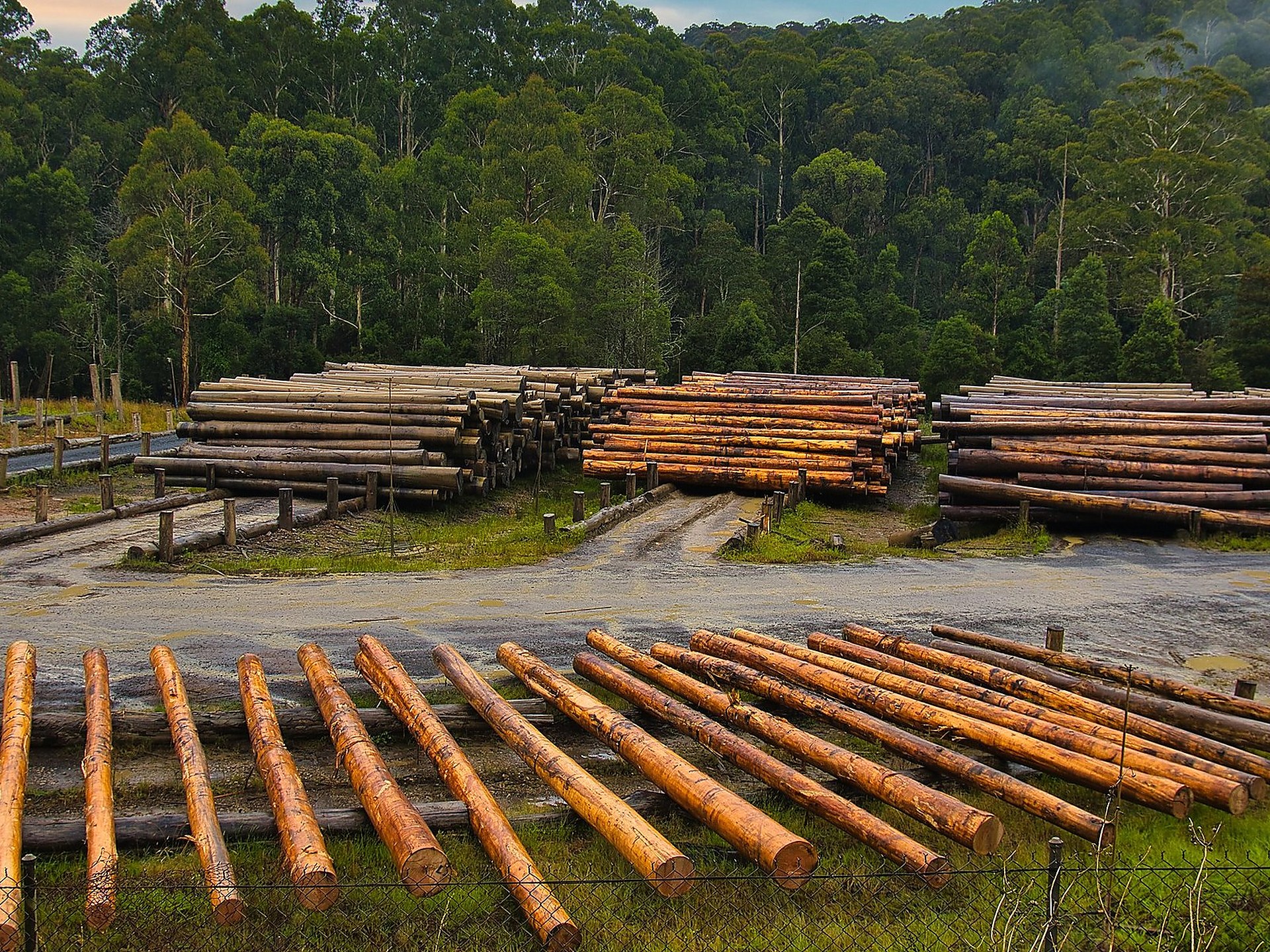
State governments that closed native forests and a local timber industry that stopped innovating have only themselves to blame for the surge in imported laminated veneer lumber on Australian building sites. That is according to Robert Cairns, a director of the Australian Timber Importers Federation and its interim general manager, who told Wood Central exclusively on Saturday that builders turned to imported LVL when local supply fell short.
“Imported LVL is not taking away manufacturing jobs from LVL plants,” Cairns said, days after Federal Parliament passed laws handing import surge cases to a renamed Anti-Dumping Commission. Renamed the Australian Trade Remedies Commission, it will take over safeguard inquiries from the Productivity Commission alongside the dumping cases it already runs.
Both Western Australia and Victoria ended native forest harvesting from 1 January 2024, with Mark McGowan, then Premier of Western Australia, announcing his state’s exit in September 2021 and Daniel Andrews’ government bringing Victoria’s forward from 2030 in May 2023. “Imports of LVL grew as a direct result of the locking up of native forests in WA and VIC,” Cairns said.
The closures left builders short of high-strength structural hardwood, Cairns says, at a time when Australia’s one LVL plant, Wesbeam at Neerabup in Western Australia, was “unable to lift production to meet increased demand.” The company says it employs just under 300 people and is the country’s only producer of LVL and LVL I-joists.
“LVL producers and importers are being innovative where solid timber producers are not,” Cairns said, with local mills “assuming the market will come to them” as solid timber loses market share to LVL, wood-plastic composite, steel, and MDF. For Cairns, it is “far better that we promote LVL” as a forest product than let timber keep losing ground to plastics and concrete.
Cairns says builders have embraced LVL because “it is available in longer lengths, a wide variety of sizes and grades and lighter weight than traditional structural hardwoods.” “LVL is seen as being straighter, stronger and more stable than solid wood,” he said, with fewer fixes needed on site, such as straightening walls.
At the same time, Cairns says a number of importers now offer H3-treated LVL made from plantation species, with every veneer treated before pressing for use in deck joists and pergola beams. In lengths of up to 12 metres, “it offers builders and architects design options that solid timber cannot,” he said.
LVL is now taking the place of solid timber in roof and wall battens, truss chords, studs, and plates, Cairns says, as well as in furniture such as bed slats and lounge suite frames. And whilst formwork LVL once came from New Zealand, most now comes from China, he said.
It comes as Forest and Wood Products Australia found LVL imports grew 63 per cent in the ten months to October 2025 on a year earlier, with mainland China supplying more than 69 per cent of the volume. Australia imported 254,065 cubic metres in 2025-26 at a weighted average of A$629 a cubic metre free-on-board, the lowest in five years.
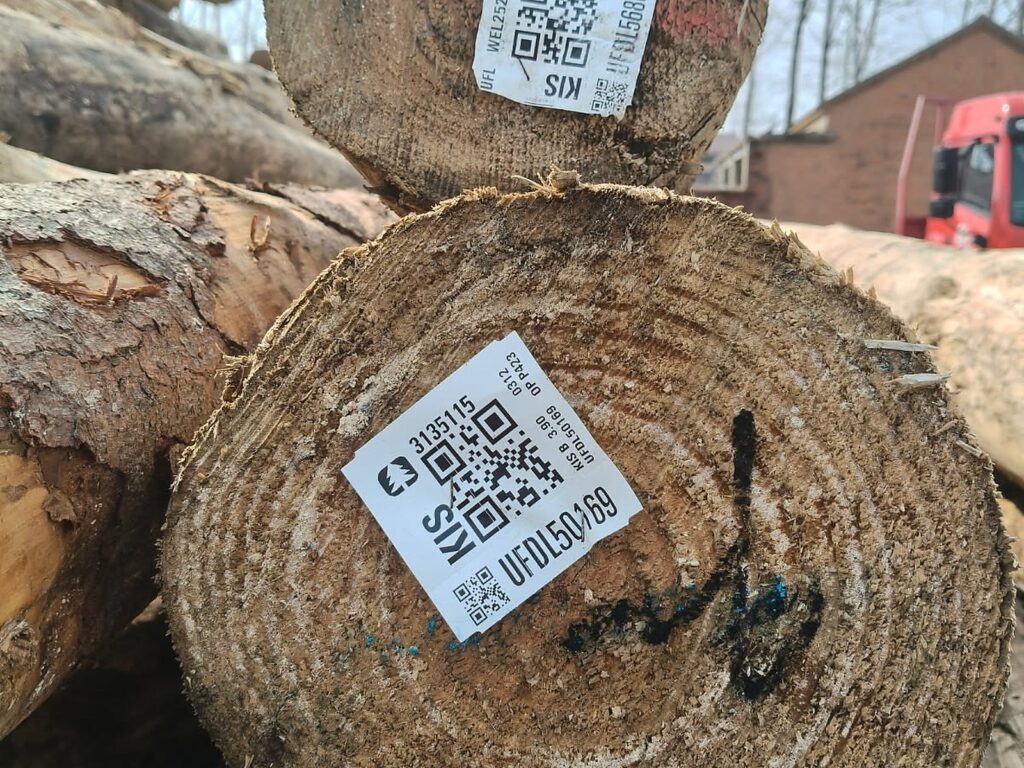
At the other end of the trade, New Zealand supplied 75.7 per cent of the softwood logs China bought in 2025, according to General Administration of Customs data, and Cairns says Australian logs are heading to Chinese mills too. A New Zealand log peeled and glued in a Chinese mill is then sold in Australia as made in China, he said.
“We claim to embrace free trade but seem to try to restrict trade when our domestic market slows, instead of looking to expand into export,” Cairns said of the fight over Chinese LVL. He said local sawmillers “have to look at what they can do to sell timber products into export markets instead of trying to restrict imports.”
Author
The Daily Digest
Get Wood Central's top timber stories in your inbox every weekday
Join thousands of forestry, timber and building professionals who start their day with the Daily Digest. It's free, and you can unsubscribe at any time.