



One of the Canadian provinces hit hardest by US tariffs on softwood lumber and aluminium is readying a “diplomatic offensive” south of the border, with Democrats flipping seven Senate seats in Tuesday’s midterm elections. That is according to Quebec Premier Paul St-Pierre Plamondon, who told reporters in Quebec City on Wednesday that the result had left Canada and Quebec better placed to find American allies on tariffs.
“I think we’re in a better position to possibly find a solution because Americans have spoken. The situation has changed,” St-Pierre Plamondon said. He said Quebec would not negotiate with the Americans directly for now, with Prime Minister Mark Carney’s government back in talks months after a draft deal to lift the 10 per cent tariff on lumber collapsed.
Forestry accounts for 13 per cent of jobs in Dolbeau-Mistassini, a town in Quebec’s Saguenay-Lac-Saint-Jean region, RBC Economics found, with the bank warning that remote timber towns are particularly vulnerable to trade barriers. It also found Canada’s lost lumber exports were concentrated in British Columbia and Quebec, whilst mills in the Atlantic provinces, bar New Brunswick, escape the dumping and subsidy duties.
Democrats will hold 54 of the Senate’s 100 seats to the Republicans’ 44 from January, NBC News projects, with long-held Republican seats in Texas, Kansas, and South Carolina among their gains. They also reached the 218 seats needed for a House majority, whilst tariffs on Canada became an issue in close races in Maine and Michigan that Democrats won.
Trump said on Wednesday he would “get along, probably” with the Democrats, but reminded reporters he still holds the power of veto. Last month, Wood Central revealed that his tariffs on timber now run under three separate US trade laws, at rates from 10 to 50 per cent.
Canada supplied three-quarters of the 2024 softwood imports now caught by that national security tariff, worth US$5.2 billion, the Congressional Research Service found, with the 10 per cent rate applying to every country since October last year. Upholstered wooden furniture, kitchen cabinets, and vanities pay 25 per cent under the same law, with those rates due to rise to 30 and 50 per cent respectively in January for countries without a wood products deal.
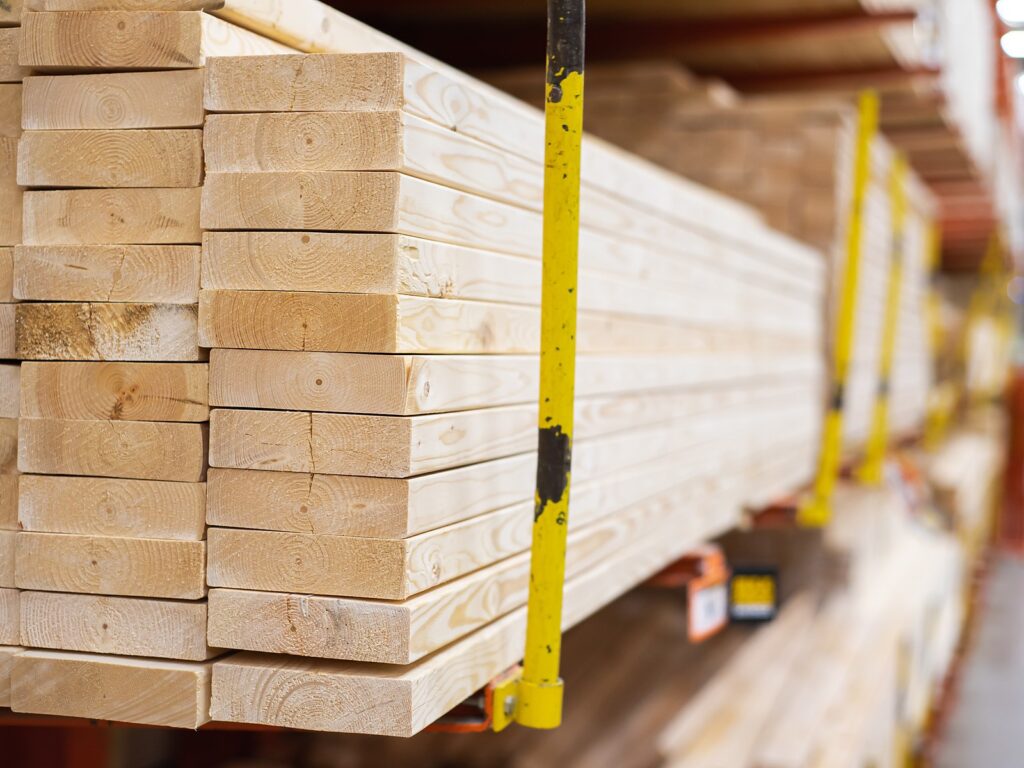
Wood from the European Union and Japan is capped at 15 per cent in combined duty under Trump’s proclamation, and wood from the United Kingdom at 10 per cent. By contrast, most other wood from 60 trading partners pays a forced labour tariff of 10 or 12.5 per cent, with Trade Representative Jamieson Greer setting the higher rate for Australia, New Zealand, China, and Vietnam.
Canadian panels and paper pay the steepest of the three, a 50 per cent tariff under a 1930 trade law that Democratic Representative Brad Schneider and Senators Kirsten Gillibrand and Peter Welch have moved to repeal. The House voted 219 to 211 to revoke Trump’s earlier Canadian tariffs, short of the two-thirds both houses would need to override a veto.
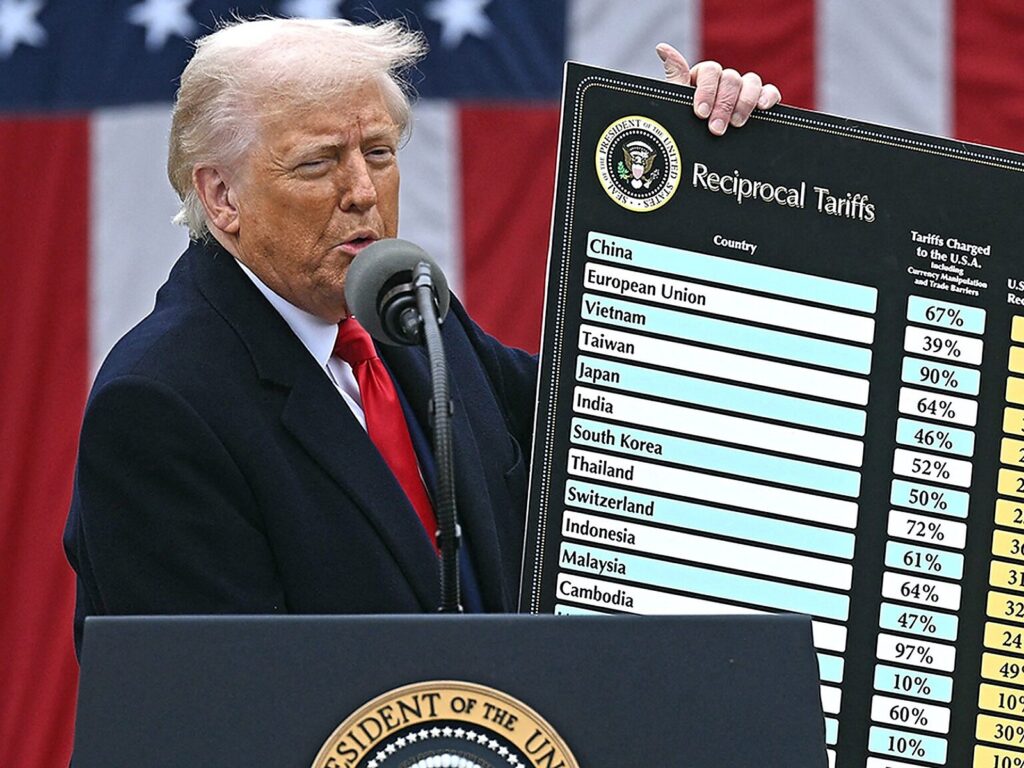
“President Trump’s tariffs are making it more expensive to build homes in America, and it’s driving up the cost of housing for everyone,” Democratic Senator Chris Coons said in February. He and Senator Jacky Rosen want lumber, engineered wood products, and other home building materials exempted from current and future tariffs under their Housing Tariff Exclusion Act.
Meanwhile, the Department of Commerce sets the 24.75 per cent dumping and subsidy duty most Canadian sawmills pay, cutting it from 35.16 per cent in its seventh annual review last month. The US Lumber Coalition says that review reaffirmed Canada continues to trade unfairly, whilst the National Association of Home Builders says lumber tariffs are “effectively taxing American builders, home buyers and consumers”.
It comes as Commerce owed Trump an update on hardwood imports by the start of last month, so he could decide whether hardwood should join the national security tariff, but Global Affairs Canada says nothing further has been announced. Twenty-five US states and two small importers are also waiting on the Court of International Trade, which has yet to rule on their challenge to the forced labour tariffs.
As it stands, Democrats will not take control of either chamber until the new Congress convenes in January, with St-Pierre Plamondon saying Quebec would “open up the channels of discussion” with the Americans before taking a position. He also said he might speak with Carney at the Francophonie summit in Cambodia later this month, with the pair yet to meet in person since Quebec’s election in October.
Author
The Daily Digest
Get Wood Central's top timber stories in your inbox every weekday
Join thousands of forestry, timber and building professionals who start their day with the Daily Digest. It's free, and you can unsubscribe at any time.

