
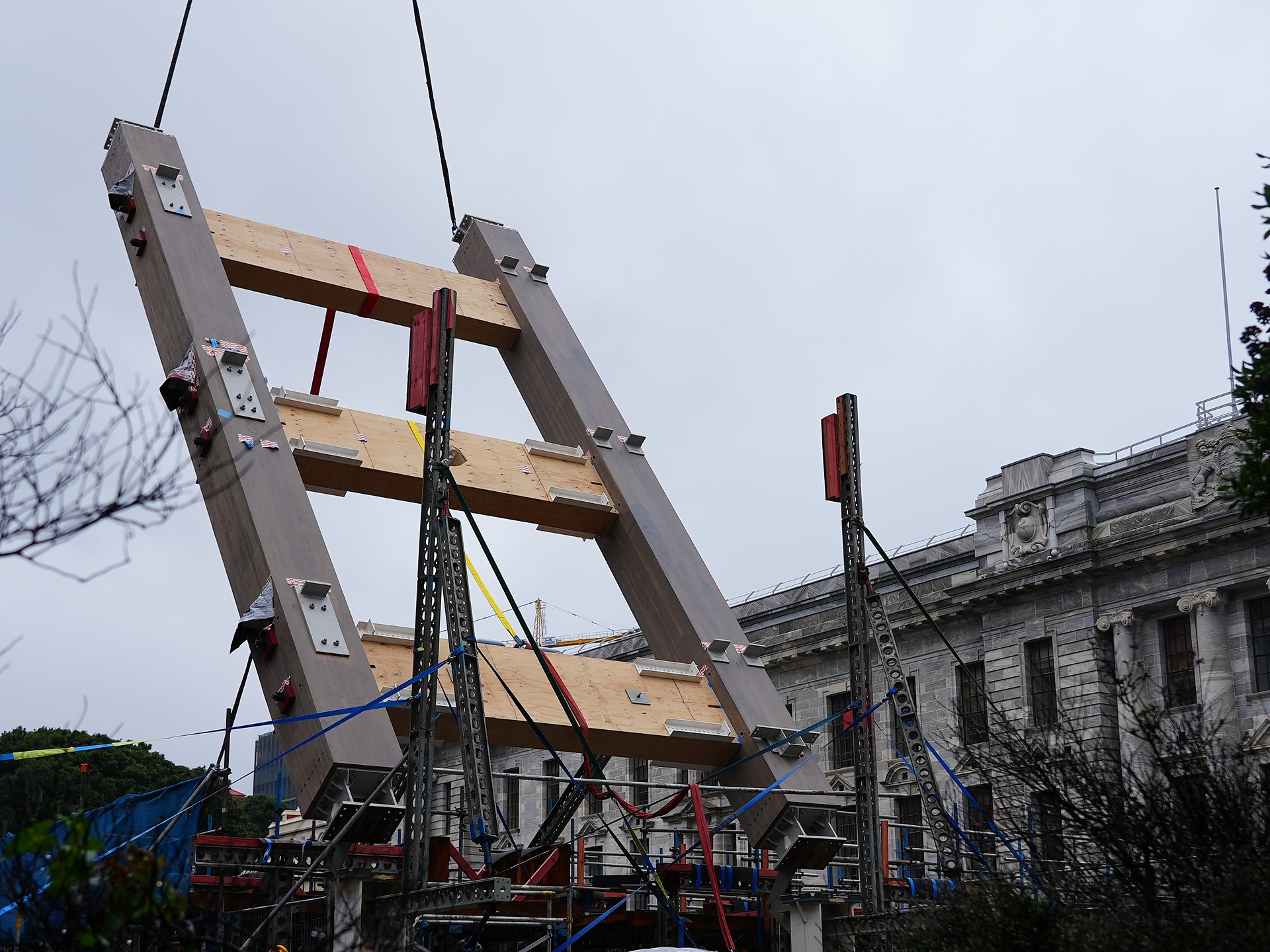
More of New Zealand’s 31 million cubic metre harvest would be processed before it leaves port under a second National term, with forestry and wood processing earning the country more than NZ$6 billion in exports a year. That is according to the National Party’s forestry and wood processing policy, released this week, which says too much of that value “still leaves our ports as raw logs.”
“WPMA strongly supports policies that ensure timber and wood-based solutions are considered early in government procurement and project design,” said the Wood Processors and Manufacturers Association of New Zealand (WPMA), which backed the policy on Wednesday. Its response, led by chief executive Mark Ross, says local wood would compete on “a more level playing field,” something WPMA’s election manifesto asked for in April.
National would bring in a wood policy so timber is considered alongside other materials before design starts on new government-owned buildings, “where practical and appropriate”. “For processors to invest in new plants, they need confidence there will be steady demand for their products,” the party’s policy document states.
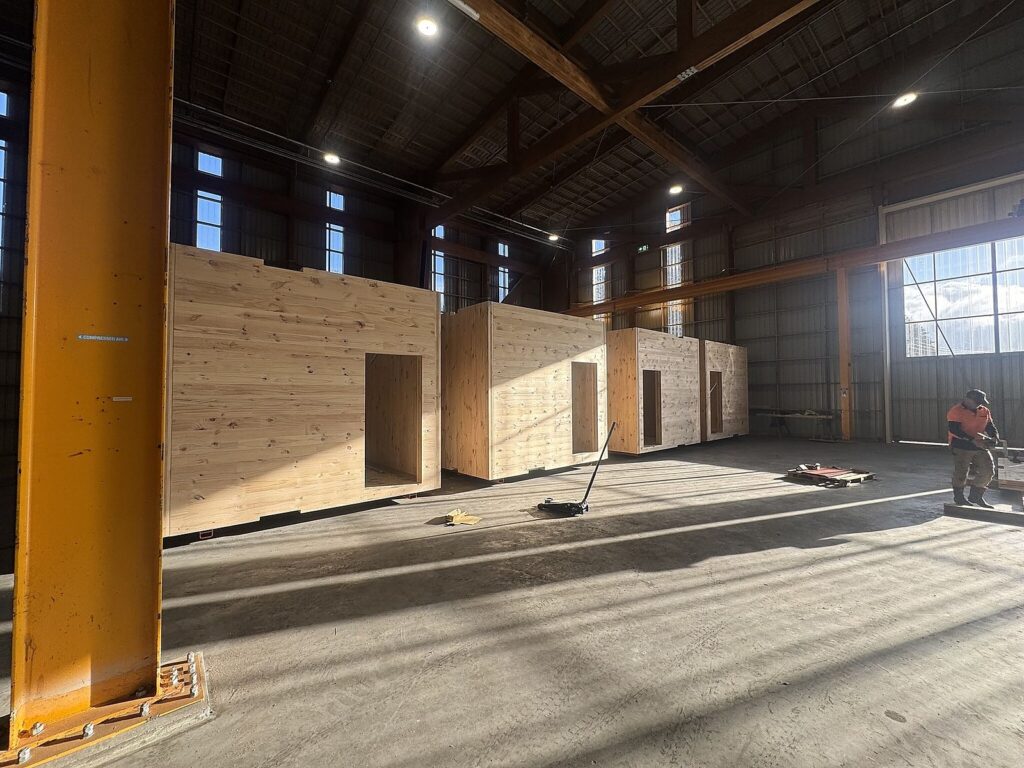
Cross-laminated timber and glulam are often left out once material choices are locked in, National says, even though both perform well in earthquakes and are increasingly cost-competitive. Ross went further last year when he called for government agencies to be directed to use local wood where practical, as they are with wool.
“The only way we can grow is through increased value, processed here in NZ,” Ross said last year, as WPMA unveiled a plan to double the sector’s exports to more than $11 billion by 2034. National’s forestry policy sets the same deadline to double value-added timber exports, whilst WPMA said its own target would need mills to quadruple their processing capacity.

India’s trade deal with New Zealand came into force last month, and National says more than 95 per cent of forestry exports now enter duty-free. Even so, WPMA counts just $5 million of timber and lumber among the $139 million in forestry and wood products New Zealand sold India last year.
Meanwhile, National would keep backing the Wood Processing Growth Fund, which co-invests with processors in structural timber, furniture, and engineered wood. Forestry Minister Todd McClay told WPMA’s conference last year that $11.5 million of its $47 million had been committed to 24 projects.

Labour, which set up the fund in 2023, has pledged to “continue to grow wood processing in New Zealand” in the manifesto it released last week. It comes as the final 1News-Verian poll, released on Tuesday, put National on 30 per cent, a point ahead of Labour on 29 per cent.
On those numbers, National, ACT, and New Zealand First would hold 58 of 121 seats and Labour and the Greens 55, so neither bloc could govern without Opportunity. Polls close on Saturday evening, nearly two weeks after early voting opened, and preliminary results will be released as the count comes in.
As it stands, WPMA says it will work to turn these commitments into practical outcomes “regardless of which parties form the next Government” after the vote. Its priority is policy that drives demand for New Zealand-made wood and creates jobs in regional communities, the association said.
Please note: Wood Central will not take a political stance on the 2026 New Zealand general election and invites all parties contesting it to provide a contribution to the masthead.
Related reading: Cement Substitutes Exist Say NZ Wood Processors · Wood Processing is Now a ‘Priority Area’ for New Zealand Investment · Biocoal Could Give a Former New Zealand Pulp Mill a Second Life
Author
The Daily Digest
Get Wood Central's top timber stories in your inbox every weekday
Join thousands of forestry, timber and building professionals who start their day with the Daily Digest. It's free, and you can unsubscribe at any time.