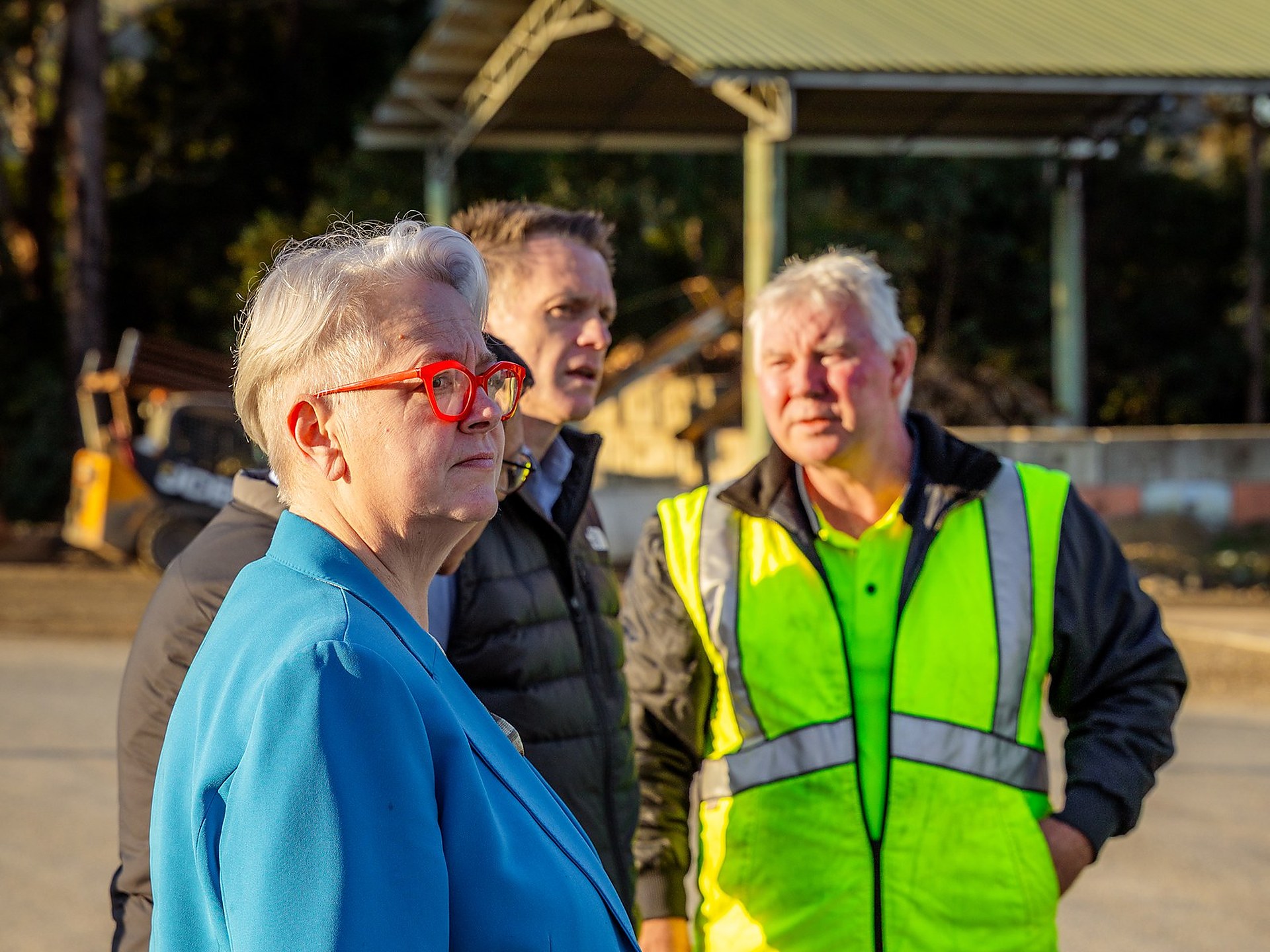
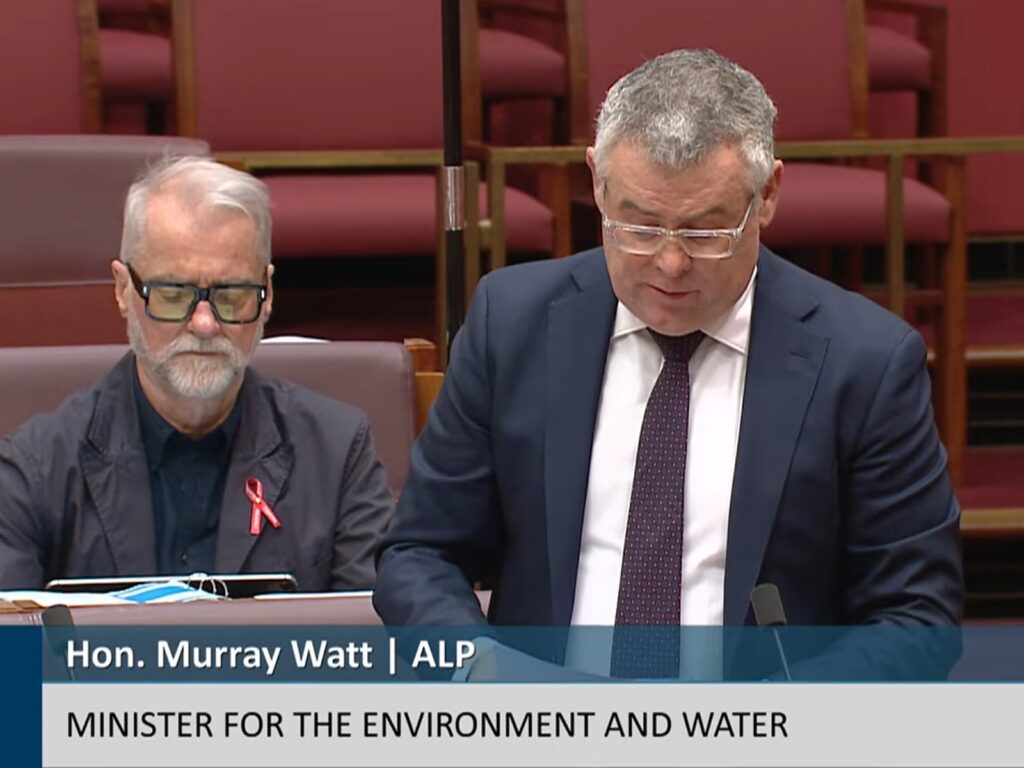
The NSW Government wants Canberra to approve 20 years of public native, plantation, and private native forestry across its three Regional Forest Agreement (RFA) regions under a single program, with the sector’s exemption from national environment law ending on 1 July 2027. That is according to draft terms of reference the state released on Friday, two days after it entered a strategic assessment agreement with Federal Environment Minister Murray Watt, signed for NSW by Environment Minister Penny Sharpe and Agriculture Minister Tara Moriarty.
“We will utilise the assessment and engagement process with the Commonwealth to deliver a more practical and efficient approval process for industry,” Moriarty said on Friday, with the agriculture and regional NSW minister committing to a pathway that gives “certainty for industry and regional communities”.
Sharpe, meanwhile, called the assessment “an important step towards strengthening environmental protections in NSW” and said forestry would be held to the same national standards as other industries. The independent Natural Resources Commission is carrying out key parts of the work with the state’s primary industries and environment departments, across the Eden, Southern, and North East regions.
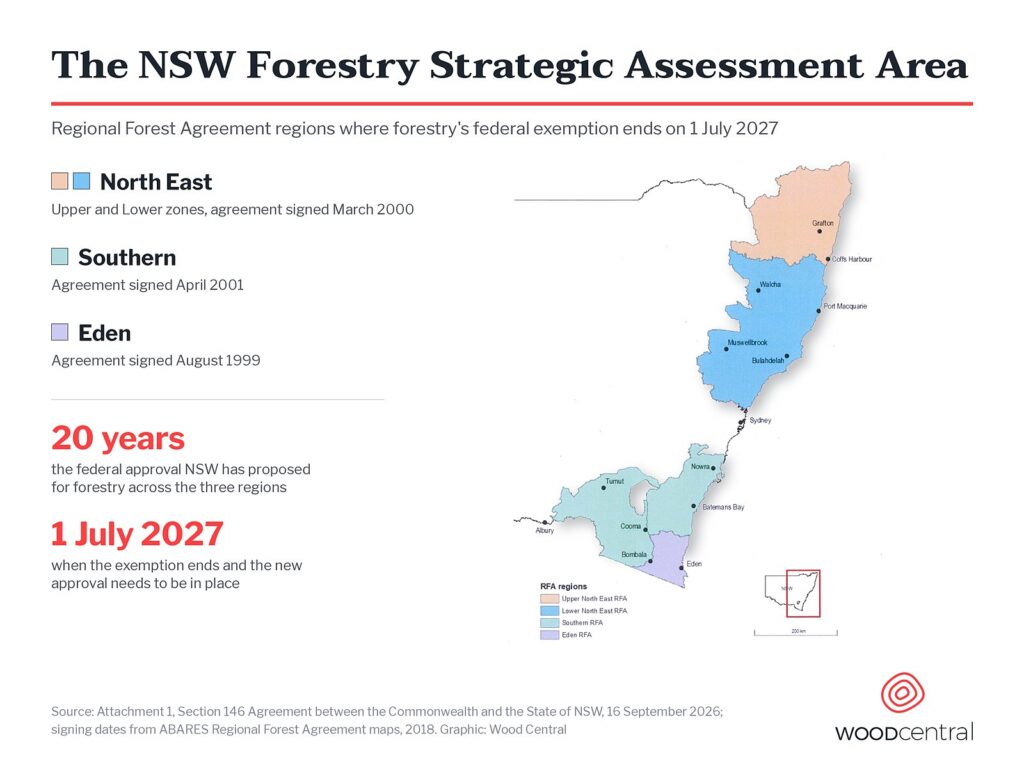
NSW had three options for a landscape-scale approval and chose a strategic assessment as “the most practical approach to ensuring the approval was in place before 1 July 2027”, the state says in questions and answers published with the terms. A bilateral agreement accrediting NSW forestry is left for the longer term. Tasmania opened that route on 9 June, when Watt issued a notice of intention to draft one, a plan the Bob Brown Foundation branded “the Regional Forest Agreements 2.0”.
Under the agreement, Watt can endorse the state’s forestry program only if it meets the new national environmental standards and causes no unacceptable impacts on nationally protected species and places. Any significant damage that remains must be offset to a net gain, and the program must require anyone operating under it to give NSW greenhouse gas emissions information. Where the program does not name who may operate, those operators must be registered by the state.
The program covers forestry carried out under rules already in force, namely the Coastal Integrated Forestry Operations Approval of 2018 for public native forestry, the 2022 codes of practice for private native forestry, and the state’s plantation authorisations. It stops at the RFA boundaries because of “the limited time available before 1 July 2027”, the state says, and longer-term arrangements for forestry are left to further talks with Canberra.
NSW’s impact report must set out “the social and economic consequences of not proceeding” under the draft terms, and test whether the measures protecting threatened species are “feasible, achievable and economically viable”. It must also predict the greenhouse gas emissions of forestry under the program and describe how climate change might affect protected species over its life.
“Due to tight timeframes, late submissions cannot be accommodated,” the state’s consultation page states, and comment on the draft terms closes on 16 October. A draft report and program are expected in early 2027, followed by a second round of at least 28 days. The state says the assessment “will be finalised for consideration by the Commonwealth Environment Minister by 1 July 2027”, the same date it says a new approval “needs to be in place”.
Watt said Canberra is providing up to A$8.5 million, which the state says is spread over two years to deliver the assessment, the same ceiling the Commonwealth offered Tasmania on 9 June. Tasmania’s offer came out of $28 million over two years that the 2026-27 Budget set aside for the three RFA states, Tasmania, NSW, and Western Australia.

Stuart Coppock told a Senate committee in February that when the new law takes effect “the RFAs will go, and there is nothing left to replace them”, with the lawyer speaking on behalf of Timber NSW.
Friday’s announcement comes as the Minns Government continues to develop its Forestry Industry Action Plan, more than two years after it appointed an independent panel in August 2024 to consult on the plan. Timber NSW chief executive Maree McCaskill said in May that the sector had yet to see what had been drafted.
Author
The Daily Digest
Get Wood Central's top timber stories in your inbox every weekday
Join thousands of forestry, timber and building professionals who start their day with the Daily Digest. It's free, and you can unsubscribe at any time.