
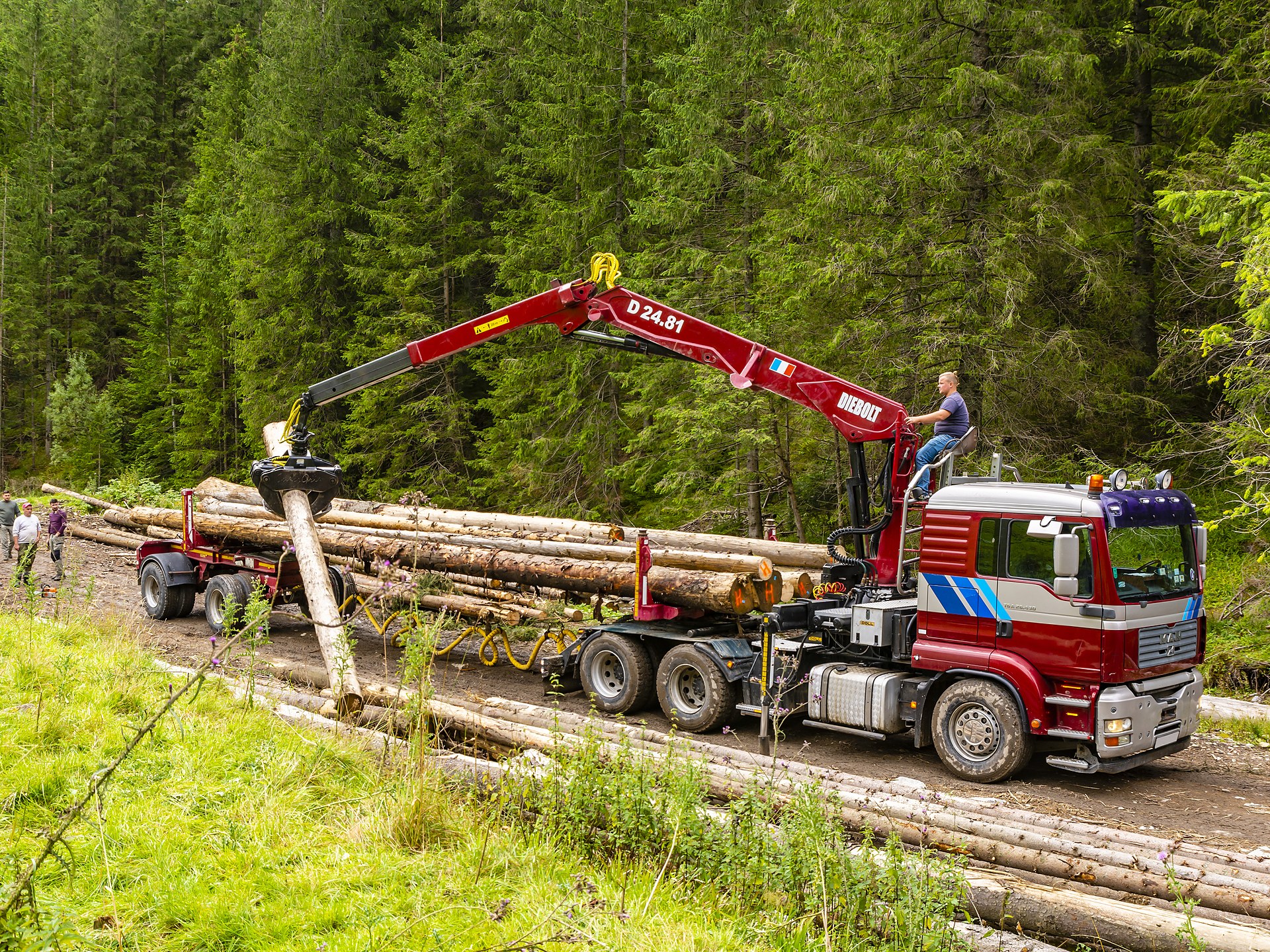
Wood processors across Poland are rejecting government claims that curbing log exports to China has secured their supply, blaming a shortfall at home for a crisis their coalition says has cost 45,000 jobs since 2022. It comes as Werth-Holz, a listed maker of wooden fences and garden sheds, asked a court on Friday for protection from its creditors, citing competition from Asia and soaring costs.
“Polish wood is increasingly staying in the country,” the Ministry of Climate and Environment said in July. It says exports of raw wood to China fell 51 per cent last year to 307,000 cubic metres, while State Forests, the national forest manager, sold 39.2 million cubic metres.
Mills and factories are short of more than 7 million cubic metres of wood, the Coalition for Polish Wood said in reply, tracing 3 million of that gap to imports lost from Russia and Belarus through war and sanctions. It blames another 3 million on decisions the ministry has taken since 2024, with Poland making 550,000 tonnes more pellets a year than in 2021, which uses the equivalent of 1.2 million cubic metres of roundwood.
“It is precisely this gigantic gap, and not the mythical exports to China, that is the real reason for the collapse in plants’ liquidity,” the coalition said. It called those shipments “marginal,” with China taking 42,000 tonnes of the 703,000 tonnes of raw wood Poland exported between January and April.
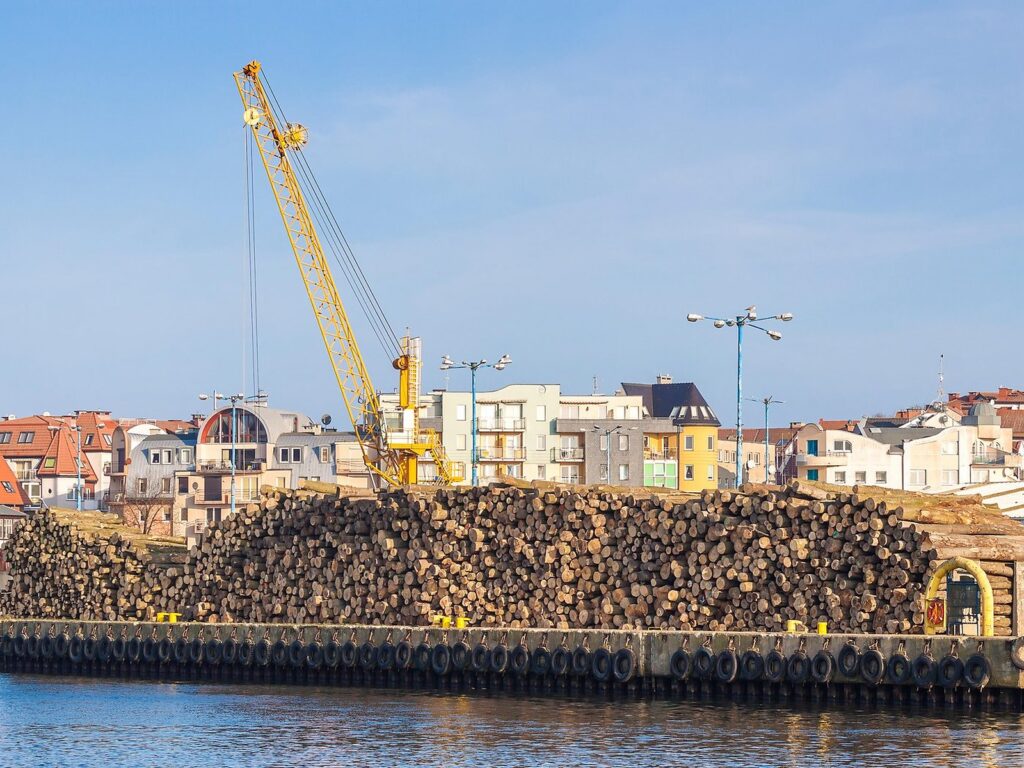
Chinese furniture has come the other way, with B+R Studio, working from Eurostat data, finding those imports rose from 417.6 million euros in 2018 to 1.114 billion euros last year. That shift is sending value added to producers abroad, the coalition says, and Polish jobs, tax revenue, and exports with it.
Now, the coalition and the Polish Chamber of Commerce of Furniture Manufacturers say technical rules State Forests introduced in January could cut usable supply by 1 million to 2 million cubic metres a year. They argue reported volumes have risen without mills receiving proportionally more usable wood, so “the problem of the raw material shortage is even more serious than the nominal sales data suggest.”
A meeting with the State Forests directorate in early August ended without a decision on any of their demands, with talks now moving to a joint working group. The coalition has asked the government to lift supply to at least 41 million cubic metres next year, above the ministry’s target of 38 to 40 million.
Meanwhile, sold production across the wood and furniture sector fell from 238.5 billion złoty in 2022 to 203.1 billion last year, according to B+R Studio. Among large and medium firms, 89 wood processors, 107 furniture makers, and 50 paper companies were already making losses, the coalition says.
“We see that in both the furniture and wood industries, the payment profile of companies has clearly worsened over the past year,” said Adam Łącki, president of the National Debt Register. As it stands, the registry counts 352 million złoty in overdue debts across both industries, with 26 per cent of furniture makers outside its top payment rating, up from 14 per cent a year earlier.
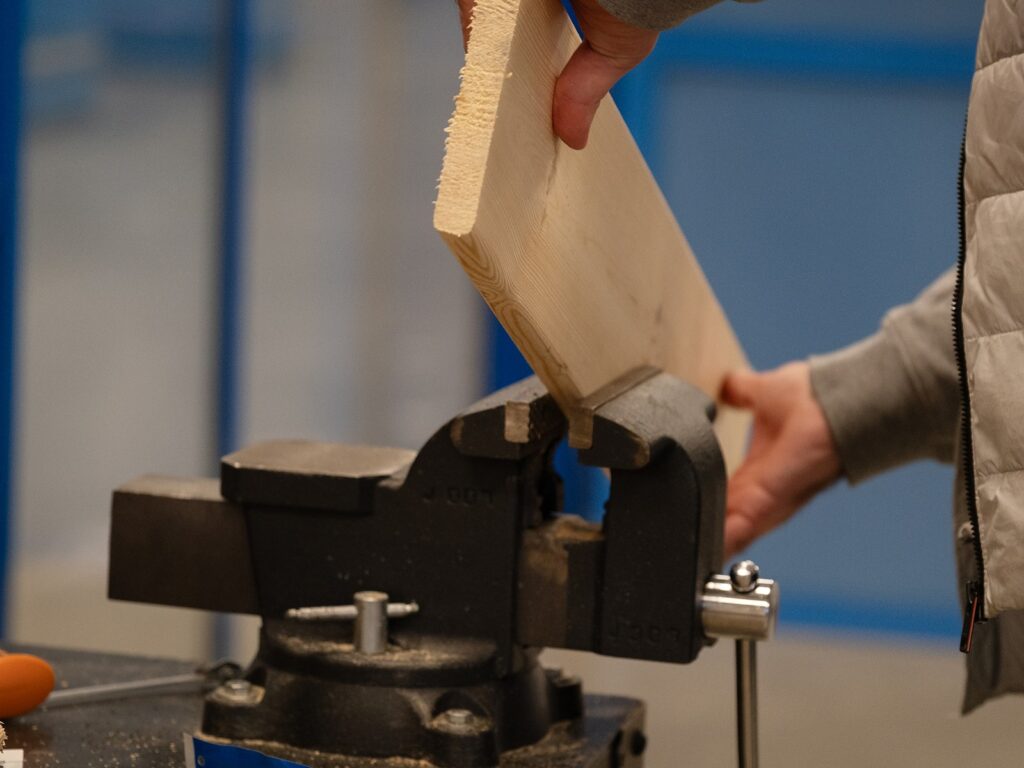
“The decision to file the application is dictated by a structural crisis in the wood-processing industry,” Werth-Holz told investors on Saturday. Its board, led by chief executive Jarosław Gniadek, had warned shareholders in March that at online auctions run by State Forests “buyers are not able to predict the price.”
Earlier this month, the group disclosed that a wholly owned subsidiary of the same name had filed for bankruptcy in Gorzów Wielkopolski, in western Poland, after it could no longer pay its debts. The listed company plans to keep trading while it restructures, with its board saying its assets are worth several times its liabilities.
Author
The Daily Digest
Get Wood Central's top timber stories in your inbox every weekday
Join thousands of forestry, timber and building professionals who start their day with the Daily Digest. It's free, and you can unsubscribe at any time.